A Short History of My Production Journey
Apr 15, 2026 - 9 min
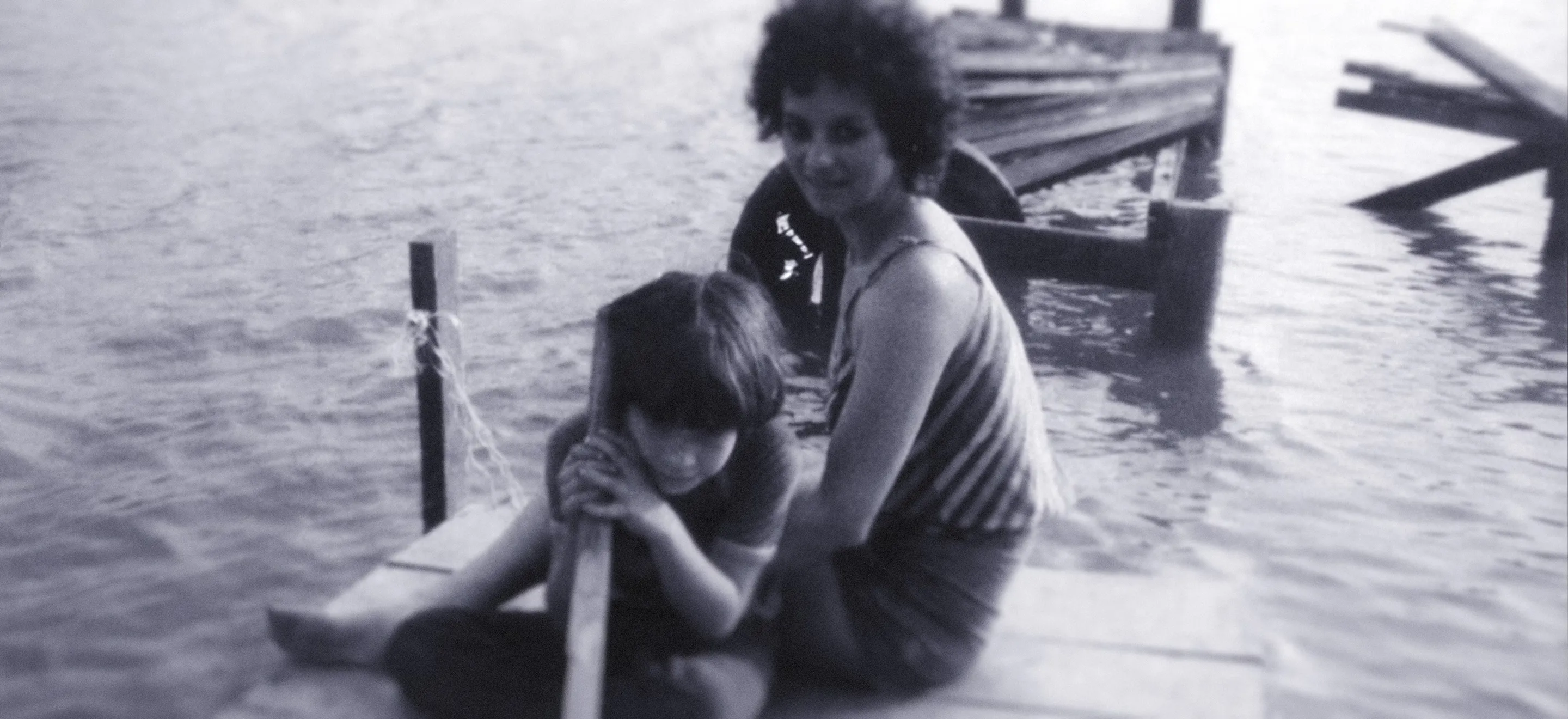
Growing up in Puerto Rico, music wasn’t something I thought about… it was just there. Salsa, merengue, cumbia, latin jazz… I never thought of it in terms of genres or styles. It was just always in the background and that’s all I knew music to be.
A lot of that music came from my mother and her side of the family. I was constantly hearing artists like Ismael Quintana, Eddie Palmieri, Ray Barretto, Tito Puente, Celia Cruz, Héctor Lavoe, Rubén Blades, Willie Colón, El Gran Combo. That sound, those syncopated rhythms, the musicality… all of it was completely normal to me, and I didn’t really question it or think beyond it until much later.
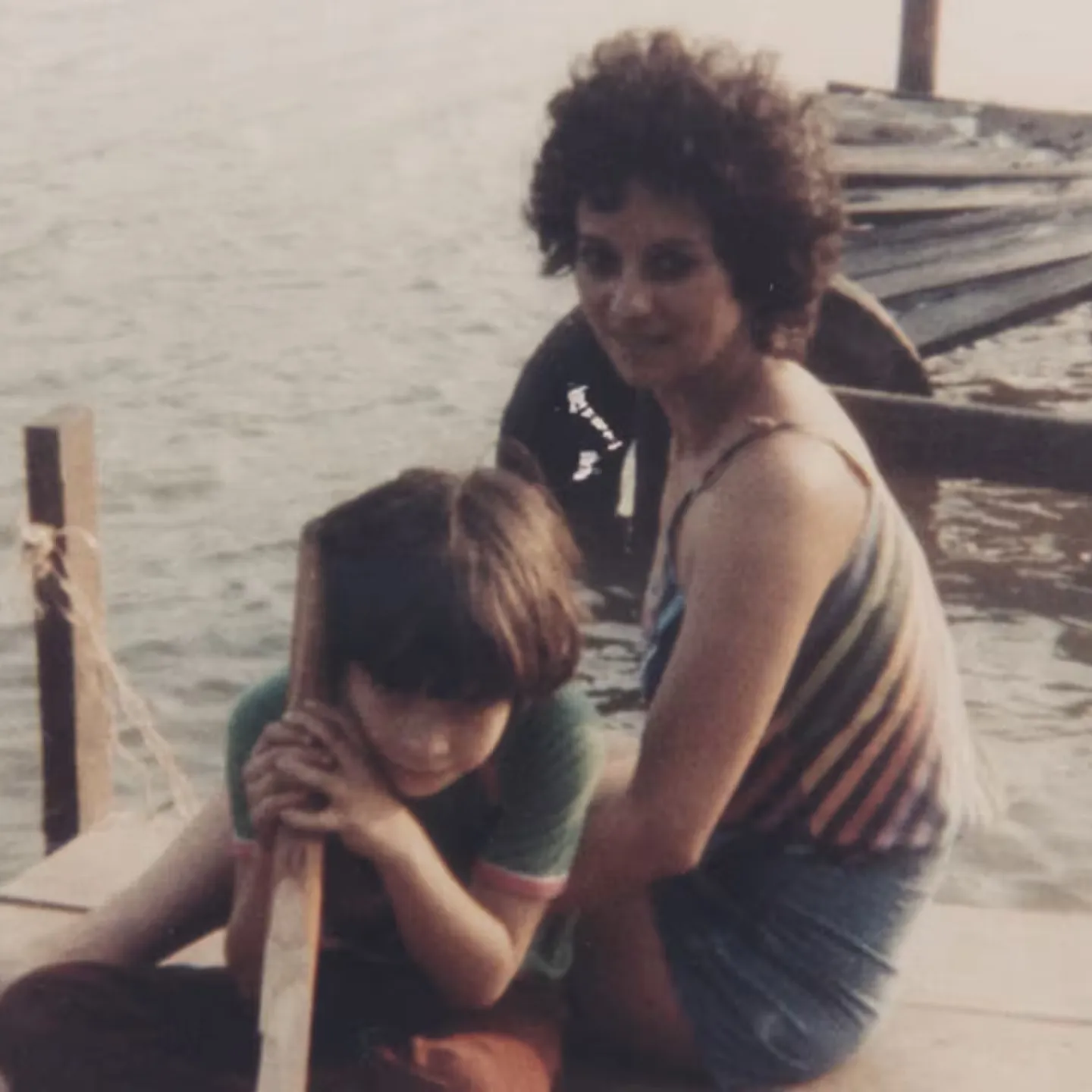
When I was six, my family and I moved to the mainland US and that’s when my ideas about music started to evolve. I was raised by a single mom, so I spent a lot of time alone at home. Because of this, the radio became something I relied on just to fill up that time. It wasn’t so much about discovering music at first, but it exposed me to things I’d never heard before.
The first track that I remember hearing on the radio which stuck out to me was Money’s Too Tight To Mention by The Valentine Brothers. It completely caught me off guard because up until that point I didn’t even know music could sound like that. There were so many other artists around that time that grabbed my attention as well… artists like George Benson, Bobby Caldwell, The Commodores, Kool and the Gang. It wasn’t just that it sounded different, it was the first time I realized music could exist outside of what I had grown up with.
From there, I started paying more attention and eventually drifted into another side of music almost by accident. I used to have a clock radio I’d leave on at night to help me fall alseep, but would often stay awake listening to late-night shows. That’s where I first heard new wave, industrial, post-punk, alternative rock… music I’d never heard before but was immediately drawn to.
It’s where I first heard bands like Siouxsie and the Banshees, Depeche Mode, New Order, Echo & the Bunnymen, The Cure. I remember going to school and asking friends about tracks like Dear Prudence, and getting blank stares. Nobody knew what I was talking about but it felt like I had found something special on my own.
By the late 80s and early 90s, that curiosity had deepened. I was watching 120 Minutes, getting into industrial bands like Skinny Puppy, Ministry, Sisters of Mercy, and at the same time becoming obsessed with The Smiths, Concrete Blonde, and Pixies. There was just so much I was trying to take in.
After high school, I started going to raves and clubs, mostly through older friends who were DJing and could get me in. That’s where I first got properly exposed to dance music. House, techno, trance… but it was breakbeat and early jungle that really stuck with me. There was something about the rhythm and energy that felt different but familar to the music I grew up with. Hearing The Prodigy for the first time, especially Experience and Music for the Jilted Generation had a huge impact on me.
But the moment it all clicked for me was when I heard Mixmag Live! Vol. 21 mixed by LTJ Bukem for the first time. Listening to that mix felt like all of the music I’d been exposed to was suddenly living in the same space. It was a mixture of rhythms from my childhood, textures from alternative music, and the energy from rave culture… all merging together at once. That’s when I stopped just listening to music and started trying to understand what I was actually hearing.
A big part of that was also Good Looking Records. It’s hard to overstate how much that label meant to me at the time. It wasn’t just the music, it was the visual design, the atmosphere… the way everything felt connected in a way that made me think for the first time, “I want to make this”.
Around that same time, I had randomly picked up a VHS tape from Tower Records called Talkin Headz: The Metalheadz Documentary. That fortunate coincidence pushed the idea of making this music even further. I’ve watched that documentary by now more times than I can count, almost to the point of reciting it from memory. There’s a part where Gilles Peterson talks about drum and bass producers and how they listen to everything. How they’re not locked into one genre and open to all kinds of music for all kinds of reasons. That stuck with me because it described exactly how I experienced music, and this genre felt like a place where all of those influences could coexist.
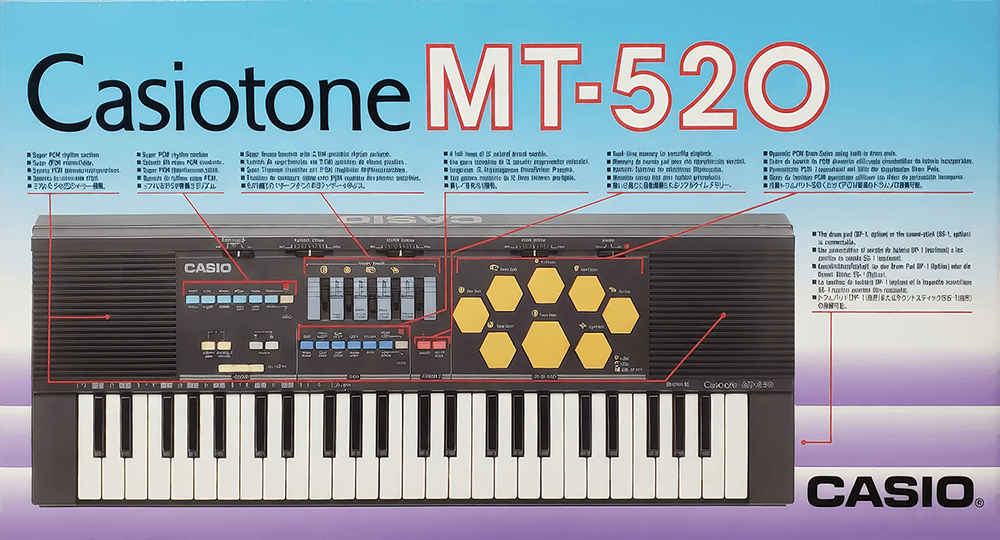
Looking back, I had already been interacting with music in a more hands-on way without realizing it. In 1988, my grandparents gave me a Casio MT-520, and I spent hours on that thing trying to play songs from the radio by ear. No MIDI, no way to save anything permanently, but it didn’t matter. I was just trying things out and that mindset stayed with me.
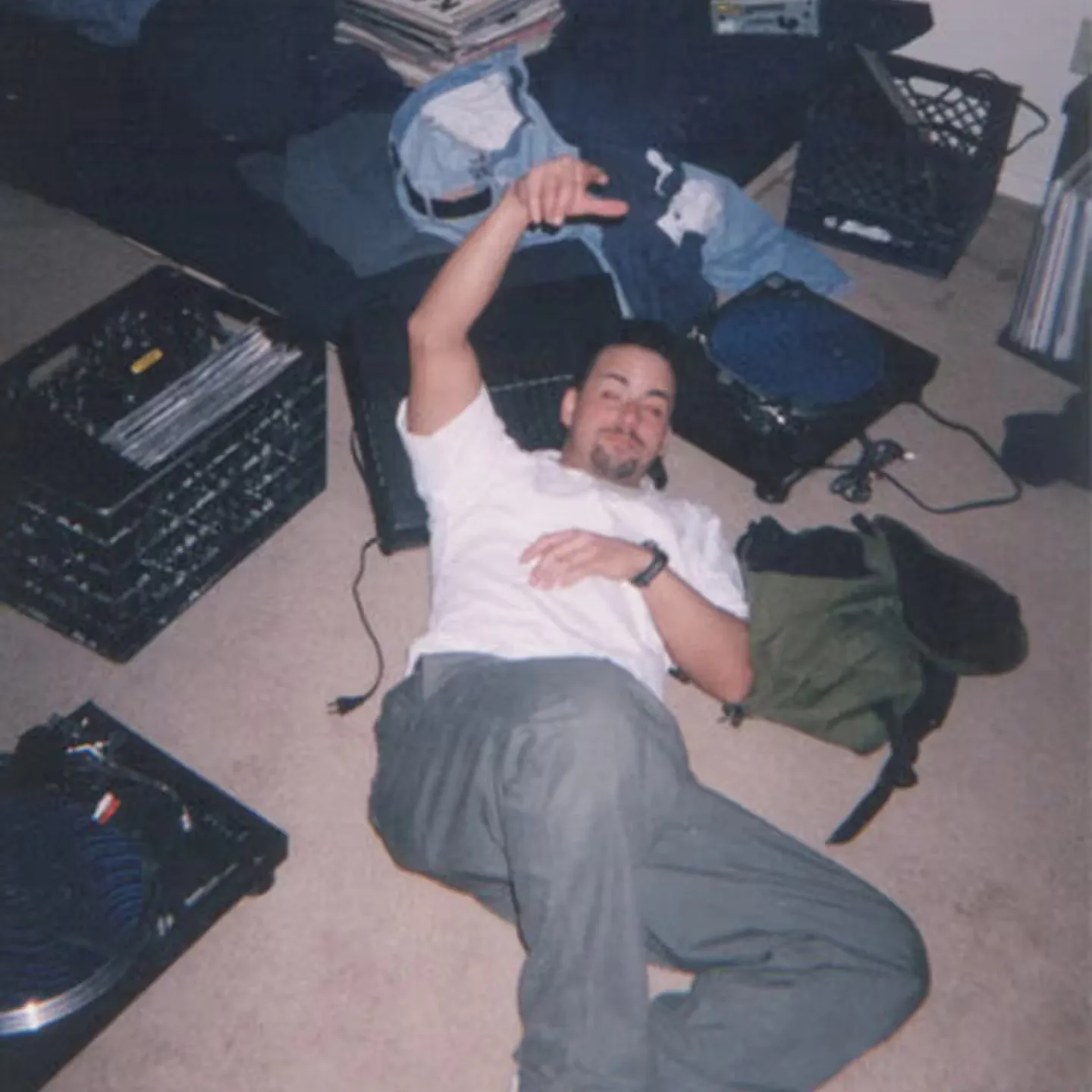
By the late 90s, I was fully immersed. I was living in Colorado, listening to shows like Groove Radio and constantly buying records. In 1998, I bought a pair of Technics 1210s and started DJing, which quickly turned into an obsession. I was buying records at a pace that I can only describe as unhealthy, even picking up a second job just to keep it going. My roommate at the time was also DJing, so we were always practicing and eventually started playing out at a few local bars and clubs. Those were great days and I look back on them fondly… just being with close friends and playing records.
Eventually that started to change. With MP3s and Napster in the early 2000s, DJing didn’t feel the same and I started thinking more about making music instead of just playing it. That’s when production became the focus.
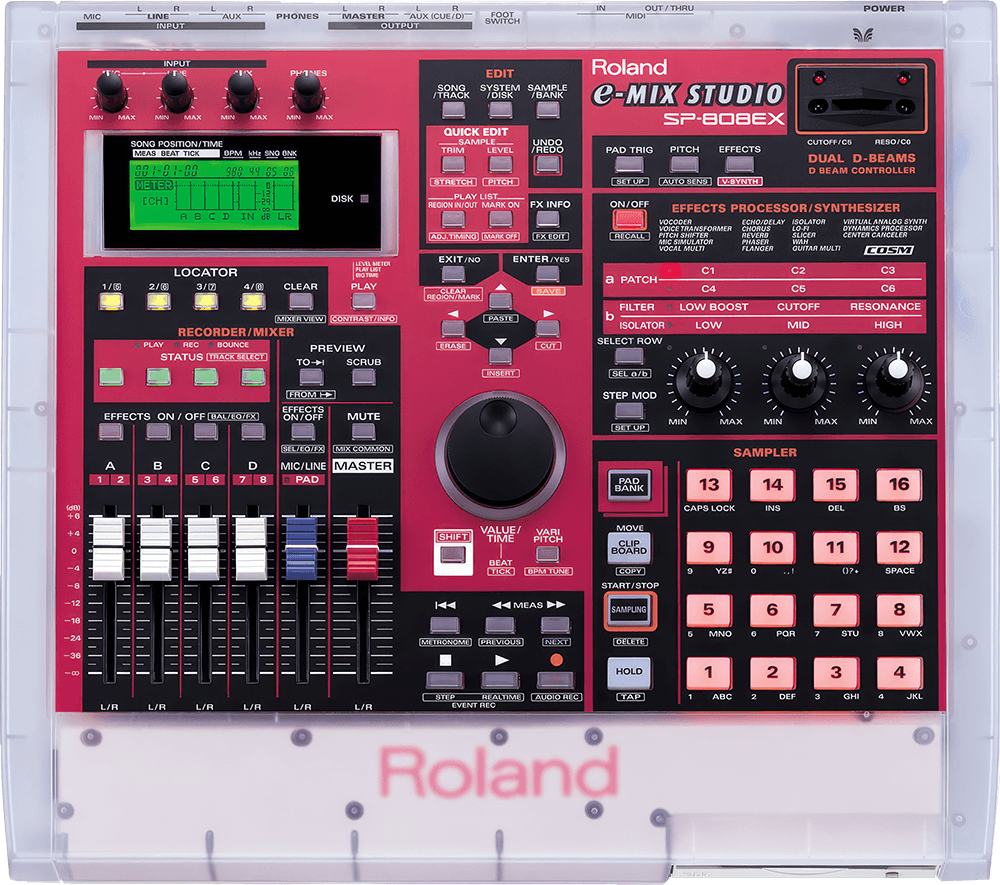
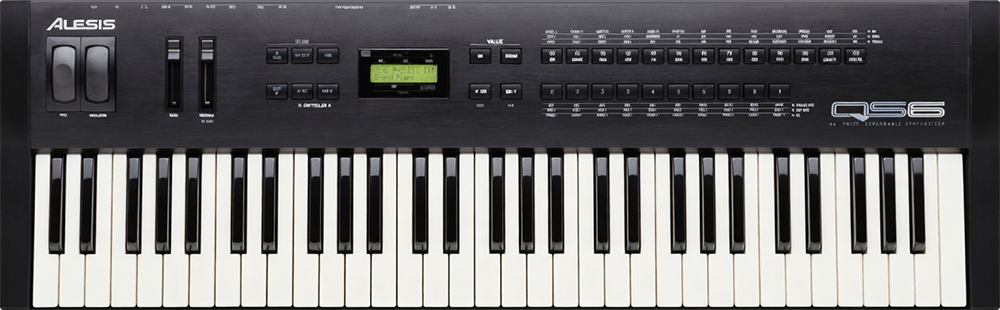
My first real piece of gear was a Roland SP-808EX. After trying out the floor model at Guitar Center, I took it home that same day and spent the next several years learning on it. Love-hate doesn’t quite cover my relationship with it, but it’s a big part of why I still love grooveboxes. From there, it turned into the usual cycle of buying and selling gear, picking up rack units and eventually my first “proper” synth, an Alesis QS6.
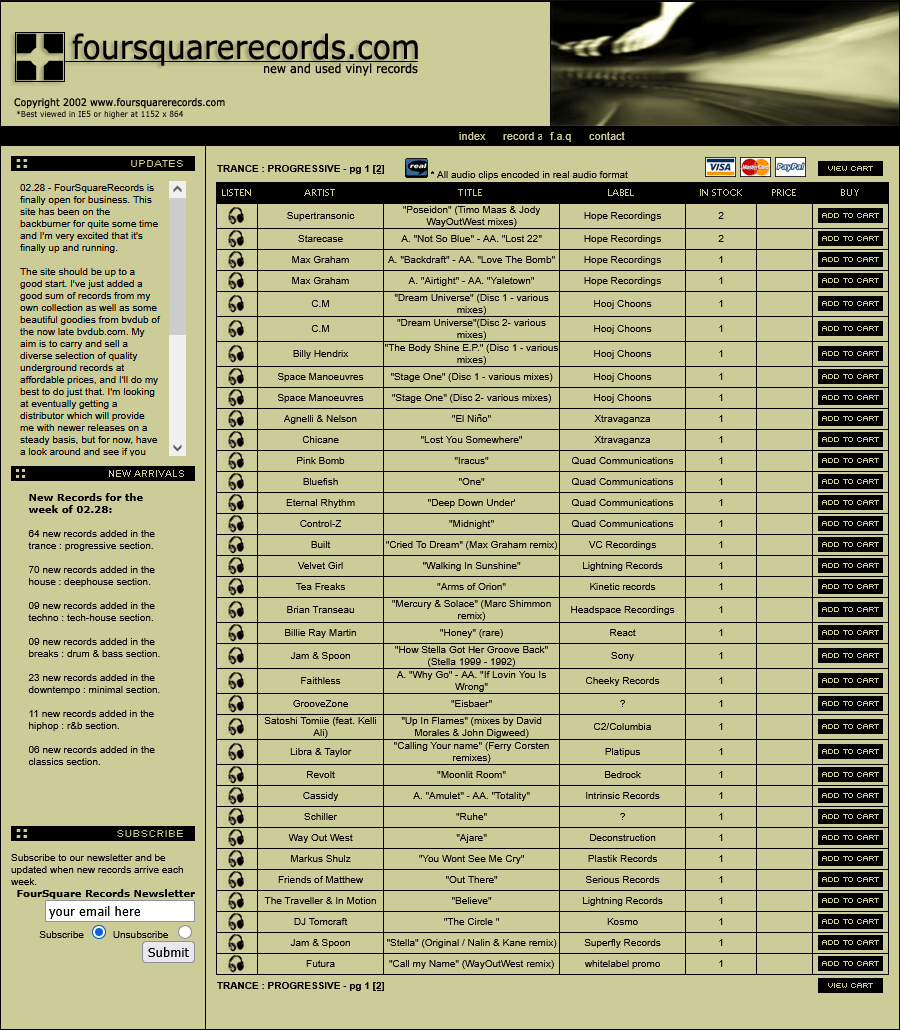
By 2001, my gear buying was in full swing, so I started an online record shop to help fund my addiction, foursquarerecords.com. The site was short-lived but it gave me the chance to sell most of my records and put together a small home studio.
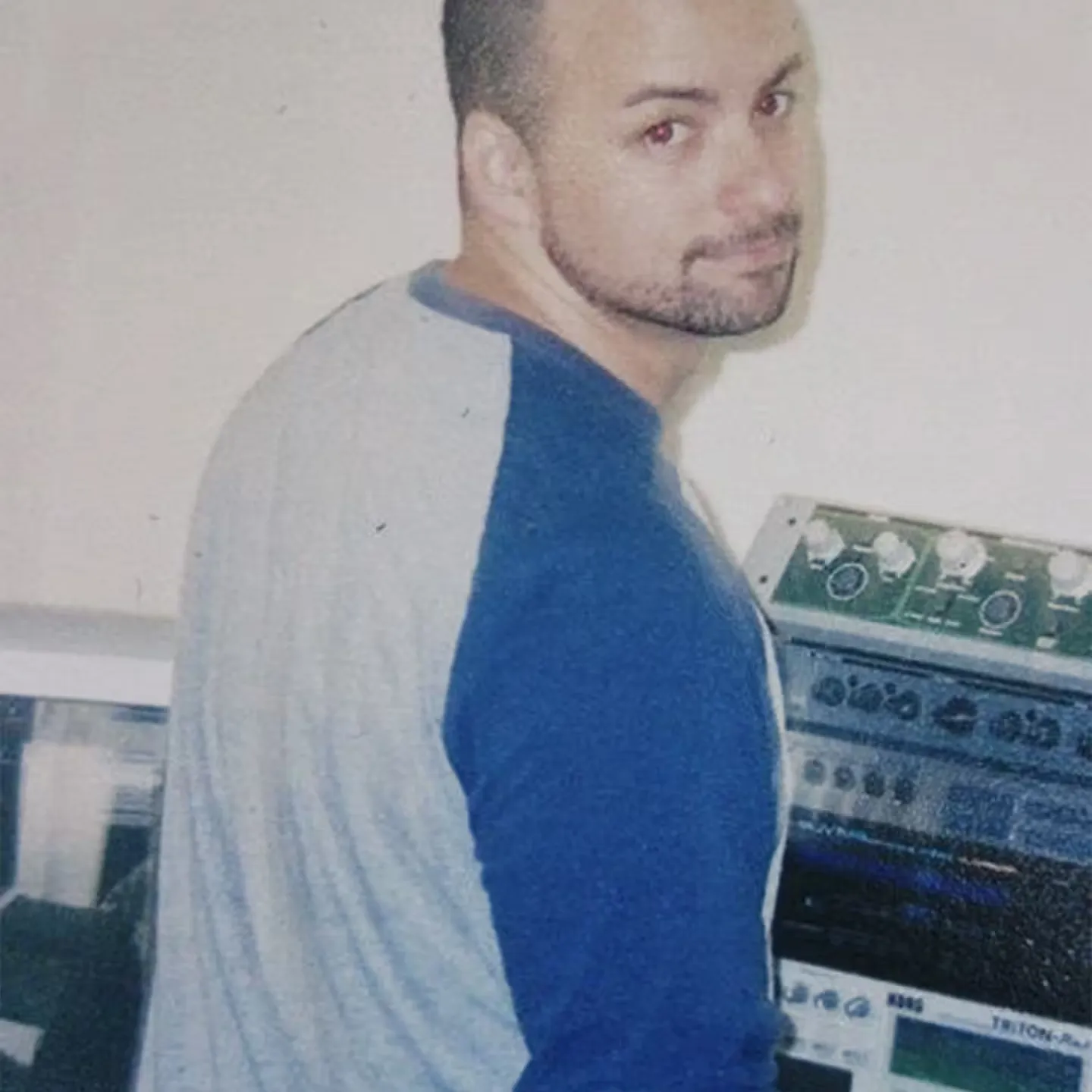
It’s worth mentioning that I’ve never had any formal musical training. I’ve never taken lessons, can barely play a few instruments, and everything I’ve learned up to this point has been self-taught. Back then, there weren’t nearly as many resources for producers as there are now, just a few magazines and some forums where people shared what they knew. Most of it came down to experimenting, fucking things up, figuring things out over time and keeping what worked. It took a long time to get anywhere close to making the music I was listening to, but that process has always been a part of it.
And that’s how I carried on up until 2010, when I moved to Spain after meeting my wife. That move forced a reset. I sold all of my gear, lived off my savings and started again with nothing but a laptop. It was the first time I had separated making music from having equipment, but with that clean slate I was able to finish my first track, Letting Go in 2011. It wasn’t a big release but it mattered to me because I finally followed through and finished something.
Shortly thereafter, I stepped away from music for a while to continue focusing on building my career as a developer and getting settled in Spain. It wasn’t a conscious decision to stop, it just happened over time as other priorities took over.
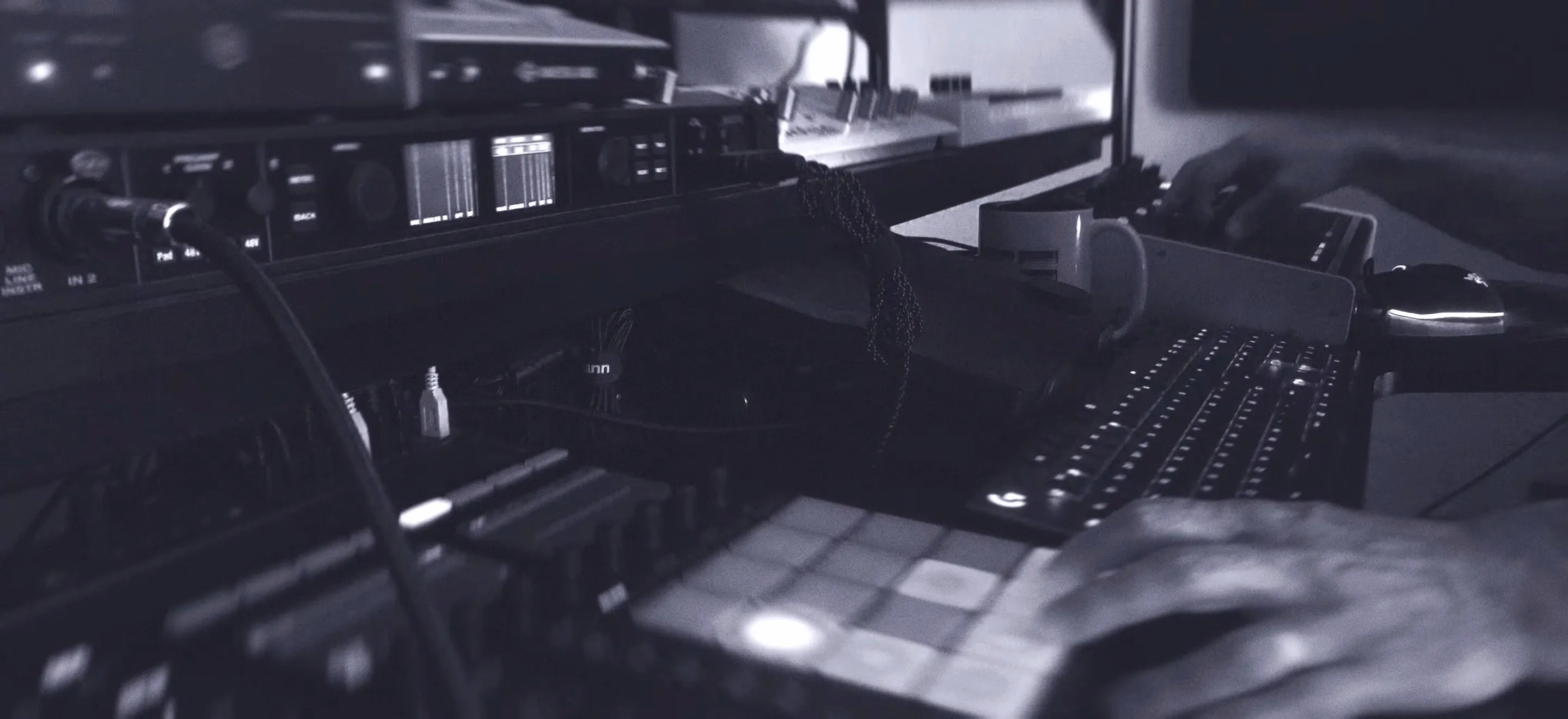
At the end of 2019, the pandemic began and with plenty of time on my hands, I started to consider taking production seriously again. By that point, I had lost a lot of the enthusiasm for working solely in the box, so I decided to pick up some used gear and built a small studio again. Between that and my friend Modal who was a constant source for inspiration and encouragement, I slowly started finding my way back into it and eventually began releasing music again over the next few years.
It’s 2026 now, and by no means am I a prolific producer, but I’ve made peace with that. Finishing music is important, but so is what you’re finishing and I’d rather release fewer tracks I stand behind than a lot of tracks I don’t.
These days my production is less about chasing something and more about understanding my own process, what I’m drawn to, what feels right, and how all of those influences I’ve carried over the years show up in the music I make. It’s also the one thing I feel that has helped carry it forward the most. Not momentum in the usual sense, but something built around attention, patience and what I feel actually holds up over time.
Reflecting on it all, my production journey isn’t anything unique, but it is mine. We all come into this with our own influences and experiences, and what I’ve learned is there’s value in not overlooking that… because a lot of it ends up shaping us and our music more than we realize. – 
Frequently Asked Questions
Do you need a musical background to be a music producer?
No. Some of the most distinctive producers came to music sideways, through other creative disciplines or just through obsessive listening. What matters more is curiosity and a willingness to dedicate yourself to it. Patience also goes a long way.
How long does it take to find your sound as a producer?
A long time, honestly. For most producers it’s not a moment of discovery… it’s something that emerges slowly over years of listening, experimenting, and making a lot of music you’re not totally happy with. The influences you absorb early tend to show up in ways you don’t expect.
Has your creative background helped with production?
It has, but not always in the ways you’d expect. The technical skills don’t transfer directly. What does transfer is the creative process itself… how you approach problems, how you handle the gap between what you imagined and what you made, how you push through when things stall.
What has 30 years of making music taught you?
That finishing is a skill you develop separately from making music. You can be a great producer and still struggle to finish tracks, because finishing requires a different set of habits. The sooner you treat it as something you have to actively work on, the faster things change.
That history is what led to the process. Next up: The Missing Key to Finishing Tracks
“... up until that point I didn’t even know music could sound like that. It wasn’t just that it sounded different, it was the first time I realized music could exist outside of what I had grown up with.”
“In 1998, I bought a pair of Technics 1210s and started DJing, which quickly turned into an obsession. I was buying records at a pace that I can only describe as unhealthy, even picking up a second job just to keep it going. ”
“It’s worth mentioning that I’ve never had any formal musical training... and everything I’ve learned up to this point has been self-taught. Most of it came down to experimenting, fucking things up, figuring things out over time and keeping what worked.”
By aymat | Apr 15, 2026 | Mindset & Creativity
About the Author: aymat

I've been a developer and music producer for almost 30 years. For a long time I struggled to finish and release music, but over time I found a way of working that helped me follow through. These days I'm focused on making work I care about, finishing music and helping others do the same along the way. I put together a free PDF on what actually worked for me. If you're working towards doing the same, get in touch.