Two Things Can Be True At Once
My wife and I have a saying that gets repeated often at home… “Two things can be true at once.” It’s usually mentioned when referring to something that has no absolute answer, or can’t be categorized as good or bad, right or wrong.
As parents, it gets used quite a bit. It’s not meant to be advice, it’s just a matter of fact. Especially when it comes to raising children. And if you’ve ever raised a child, you understand exactly what it means… because nothing about it is simple, and anyone who tells you otherwise has no idea what they’re talking about.
There’s no shortage of those people either. Everyone has the answer, the magic thing that will fix the problem. But if you’ve been a parent long enough, you know that’s not the case. The people who usually have an answer for everything have almost no understanding of what it’s actually like. They love dealing in absolutes. More concerned about being right and looking like the smartest person in the room than sharing anything they’ve actually learned. So when they’re handing out advice, you take it with a grain of salt.
Music is the same way. And that’s worth keeping in mind before anyone hands you a rule about how to make it.
You Don’t Get to Be a Deadbeat
Here’s the thing about being a parent that most people who’ve never raised a kid fail to understand. You don’t get to opt out. It doesn’t matter if you’re exhausted, not in the mood, or running on fumes. That kid needs you. So you show up and do the work. Often it feels like you’re just throwing things at a wall hoping something sticks. Other times it feels like you’re just going through the motions. But underneath all of that, something is happening. You’re learning. About yourself. About your kid. And you won’t even realize how much until way later.
The difficult moments, the days that feel like nothing you do makes a difference, the times nothing you’ve tried clicks… those are the sessions that build the foundation. You start to see patterns. What sets them off. What calms them down. What they need from you depending on the day. None of that comes from reading about it or from some armchair critic. It only comes from being in the trenches.
Making music works the same way. The tracks that go nowhere still teach you something. The sessions where you open the DAW and stare at it for an hour… those matter. Not because of what came out of them, but because of what you learned about how you work. You can’t shortcut that. Putting in the reps is the whole point.
If you keep skipping sessions because you’re “not feeling it” without asking why… you’re just being a deadbeat. The music doesn’t get what it needs. And neither do you.
You Can’t Parent on Empty
And yet… there’s another side to this.
A burned out parent isn’t a better parent for showing up. Anyone who’s tried to have a meaningful conversation with their kid while running on empty knows exactly what that looks like. You’re there physically. But you’re not really there. You’re running on autopilot. Going through the motions without any real purpose behind it. And sometimes that’s worse than not showing up at all… because the kid gets a hollowed-out version of you.
Forcing a creative session when you’re genuinely empty works the same way. It’s not heroic. It’s just going through the motions. You end up with hours logged and nothing to show for it, and then you feel worse about the whole thing than if you’d just rested.
Rest isn’t a break from the process. It’s part of it.
Some of the best tracks I’ve produced came together after stepping away for a while. Not because the break was magic, but because I wasn’t white-knuckling through sessions that had nothing in them. I came back with something to give.
Knowing when to step back is a skill. But here’s the catch… you only develop it by paying close attention over time. And you can only pay close attention if you’ve been showing up consistently enough to have something to compare it to.
The Real Payoff Is Knowing Yourself
Most people equate consistency to output. If you log in more hours, you finish more tracks. And if you finish more tracks, you build more momentum. And yes, that happens. But that’s not actually the point. The point is understanding yourself.
When you show up consistently over time, you start to learn things about yourself that you can’t learn any other way. When you’re at your sharpest. What time of day your ears are most honest. What kills a session before it starts. What conditions can make your best ideas come through. What “not feeling it” actually means for you on any given day… because sometimes it means rest, and sometimes it means resistance, and those are completely different things that require completely different responses.
You can’t know that without putting in the time first. That’s the dilemma. The only way to know when NOT to show up is to have shown up enough to understand yourself. There’s no shortcut. But once you do, it changes everything.
Change the Intention
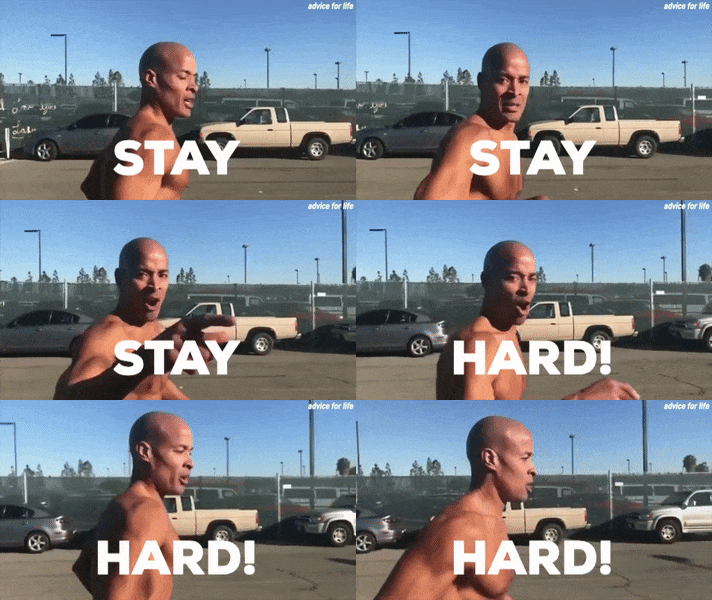
Before you really know yourself, the default move is to just muscle through it. So you do what everyone does… you David Goggins it. You grind, you push through, you convince yourself that suffering through it is the same as doing the work. That’s just dread disguised as confidence… but once you finally know who you are, you won’t need to “STAY HARD”.
The same goes for music. Saying “I will make music today” is a form of pressure. It’s subtle, but it’s there. You’ve already decided what the session needs to be before you’ve even sat down. And pressure, even self-imposed pressure, has a way of shutting things down before they start.
Try this instead… “I’ll try to enjoy this the best way I know how.”
No output attached to it. No expectations. Just you and the thing you love, approached the way you’d approach it on your best day. Some days that leads somewhere. Some days it doesn’t. But you showed up without the weight of having to produce something, and that changes what you bring through the door.
Two things can be true at once. And understanding which one applies to you on any given day… that’s worth more than any advice you’ll ever get from someone who hasn’t done the work. – 
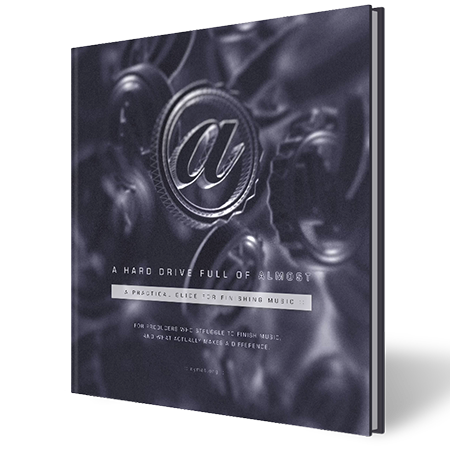
If you want to understand what carrying that weight actually feels like, this might help.
* A few ideas in this article came out of conversations with coaching members who probably didn’t know they were writing it with me. They know who they are. Thank you.
"Here’s the thing about being a parent ... you don’t get to opt out. It doesn’t matter if you’re exhausted, not in the mood, or running on fumes. That kid needs you. So you show up and do the work."
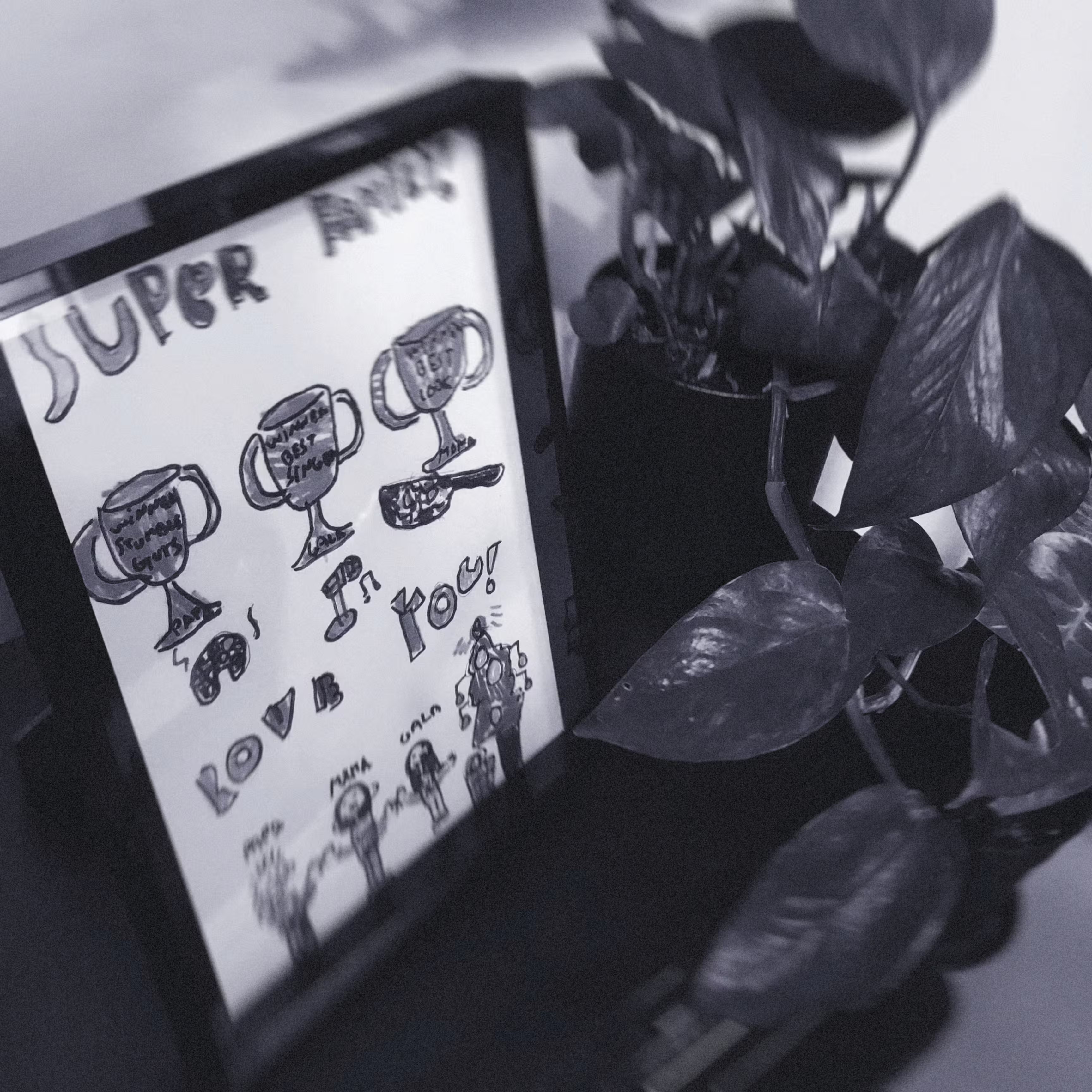
"Knowing when to step back is a skill... but you only develop it by paying close attention over time. And you can only pay close attention if you’ve been showing up consistently enough to have something to compare it to."

About the Author: aymat

If this helped you, share it:
Related Posts